Does Wesley Chapel Water Smell Bad? Understanding Rotten Egg & Chemical Odors
Quick Summary: Many Wesley Chapel homeowners experience unpleasant water odors ranging from rotten eggs to chlorine or metallic smells. These issues often stem from naturally occurring hydrogen sulfide in Florida groundwater, chloramine disinfectants from Pasco County Utilities, stagnant water in plumbing, or harmless bacteria inside water heaters. While these smells are usually not dangerous, they can be frustrating and may indicate the need for maintenance or filtration. Simple steps like flushing taps, cleaning aerators, or checking your water heater can help, but persistent odors often require a professional water test and the right treatment system. Culligan of Tampa offers solutions such as whole-house carbon filters, sulfur-targeting filters, and reverse osmosis systems to restore clean, fresh-smelling water.
Many residents in Wesley Chapel, FL occasionally notice that their tap water has an unusual or unpleasant smell — often described as sulfur, rotten eggs, chlorine, or even a faint metallic or musty odor. These smells can appear suddenly or gradually and may happen in both hot and cold water, though sulfur smells are most common in hot water taps throughout Florida.
While these odors can be concerning, they usually stem from identifiable sources such as natural groundwater minerals, plumbing issues, harmless bacteria in water heaters, seasonal shifts in the region’s water supply, or treatment chemicals like chloramines. Understanding what causes these smells can help you determine whether the issue is coming from your plumbing, your local water source, or something else entirely.
Why Does My Water Smell Bad in Wesley Chapel?
Wesley Chapel is part of Pasco County, where the water supply comes from a combination of treated surface water and groundwater.
Because of this blend, water odor issues can vary from home to home depending on plumbing age, groundwater influence, and seasonal disinfectant levels.
In many cases, unpleasant smells do not indicate a health hazard — but they can be frustrating, surprising, and hard to ignore. Below are the most common types of odors residents in Wesley Chapel report and what typically causes them.
Common Causes of Bad-Smelling Water in Wesley Chapel
1. Hydrogen Sulfide (Rotten Egg or Sulfur Smell)
This is the most common odor complaint in Wesley Chapel homes. Hydrogen sulfide gas occurs naturally in Florida groundwater and can also form inside water heaters when sulfate-reducing bacteria are present. When this gas mixes with water, it releases a distinct rotten egg smell.
Hydrogen sulfide can come from:
- Natural groundwater minerals
- Sulfur bacteria in well water (if applicable)
- Bacteria reacting with the anode rod in a water heater
- Mineral buildup inside hot water systems
The Florida heat can intensify the smell, especially if water sits in pipes or tank-style heaters for extended periods.
2. Chlorine or Chemical Odors
Municipal water in Pasco County is disinfected using chloramines, a chlorine-ammonia combination. While this method is safe and commonly used throughout Florida, it can create a noticeable chemical smell, especially:
- After recent water line maintenance
- During seasonal treatment adjustments
- When organic compounds react with disinfectants
This odor is typically more noticeable in cold water and can vary depending on how long water remains in your plumbing before being used.
3. Metallic or Musty Smells
Older plumbing systems may release iron, copper, or manganese into the water, creating a metallic smell or taste. While not usually harmful, these minerals can change the overall feel and smell of tap water.
Musty or earthy odors may also come from:
- Stagnant water in older plumbing
- Organic material in the main water supply
- Biofilm buildup in faucet aerators
These issues often appear after a period of non-use or in homes with lower water pressure.
4. Plumbing-Related Odors (Not the Water Itself)
Sometimes the smell isn’t coming from the water — it’s coming from your drains. When water flows, it stirs bacteria in the drain line, causing odors that mimic smelly tap water.
Common plumbing-related causes include:
- Dirty or partially clogged drains
- Trapped organic material in P-traps
- Bacteria reacting inside faucet aerators
This problem is especially common in bathrooms or sinks that don’t get regular use.
5. Hot Water Heater Odors
In Wesley Chapel’s warm climate, bacteria can grow more quickly inside water heaters, especially if the temperature is set too low. These bacteria are harmless but produce hydrogen sulfide gas, which smells like sulfur.
If the odor occurs only in hot water, your water heater is the most likely cause.
Is Smelly Water in Wesley Chapel Dangerous?
In most cases, no — the smell is more of a nuisance than a health risk. Hydrogen sulfide levels in residential water are typically low and not harmful. Chloramine odors represent a normal part of the municipal treatment process, and metallic smells from plumbing aging are usually not dangerous.
However, persistent or worsening odors should be evaluated, especially if:
- The smell comes from both hot and cold water
- The odor appears suddenly after a storm or water line repair
- The smell is accompanied by discoloration or visible particles
- Your home uses a well system
A professional water test can help identify the cause and guide the right solution.
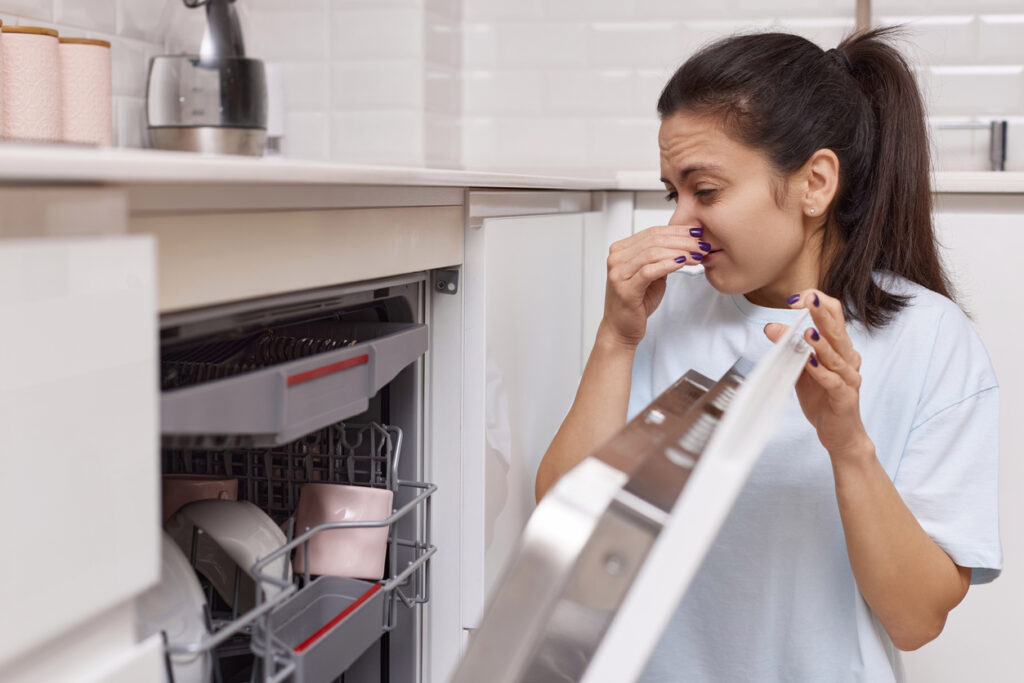
What to Do If Your Wesley Chapel Water Smells Bad
Below are practical steps to help identify whether the issue is coming from your plumbing, your water heater, or the water supply itself.
1. Test Hot vs. Cold Water
If only the hot water smells, your water heater is the likely culprit. If both smell, the issue may be with your main water supply or plumbing.
2. Flush the Taps
If water sits in pipes too long, stagnation can amplify odors. Running your water for several minutes can help clear out stagnant water.
3. Inspect and Clean Aerators
Mineral buildup and bacteria can accumulate inside faucet screens. Removing and cleaning aerators may improve taste and smell.
4. Check Your Water Heater
If the smell is strongest in hot water:
- Raise the water heater temperature temporarily (if safe)
- Flush the tank
- Replace the anode rod if bacteria are reacting with it
This is one of the most common fixes for sulfur odors in Florida homes.
5. Contact Pasco County Utilities
For sudden or widespread odor events, Pasco County Utilities may release service notices, especially during maintenance or seasonal treatment changes.
6. Consider Filtration
If odors persist, a professional-grade filtration system is the most reliable long-term solution. The right system depends on the type of odor and its cause — hydrogen sulfide, chloramines, organic material, or minerals.
What Solutions Help Remove Smelly Water in Wesley Chapel?
Culligan offers several solutions that are proven to reduce the real, documented causes of bad-smelling water in Florida. Here are the systems commonly used to address sulfur, chlorine, and musty odors.
Whole-House Carbon Filtration
Carbon filters are highly effective for reducing:
- Chlorine and chloramine odors
- Chemical smells
- Organic compounds that cause taste changes
This is one of the best solutions for municipal water odors in Wesley Chapel, especially when the issue comes from disinfectants.
Sulfur (Hydrogen Sulfide) Filters
Culligan offers specialized systems that target hydrogen sulfide — the root cause of rotten egg odors. These systems oxidize or capture sulfide gas before it reaches your tap, providing immediate and long-lasting odor relief.
These filters are specifically recommended for:
- Rotten egg smells in cold water
- Homes with mild sulfur issues in municipal water
- Private wells with noticeable sulfur odor
Reverse Osmosis Systems
While RO is primarily designed for drinking water purification, it can help reduce chemical tastes and odors caused by:
- Chloramines
- Total dissolved solids (TDS)
- Some organic compounds
RO is ideal for homeowners who want bottled-water-quality drinking water without relying on bottled water.
Water Softening (Only When Minerals Are Involved)
Water softeners do not remove hydrogen sulfide. However, they can help when:
- Metallic smells come from elevated iron
- Mineral buildup traps bacteria in fixtures
- Taste issues stem from hardness minerals
Softeners are often paired with carbon or sulfur filters to create a full-house odor and taste improvement system.
When to Schedule a Professional Water Test
If you’re unsure what’s causing the smell, a professional test is the easiest way to get clear answers. Culligan of Tampa provides in-home water testing that identifies:
- Whether hydrogen sulfide is present
- If odor is coming from your heater or supply line
- Whether chloramines are contributing to the smell
- If minerals, iron, or organic material are playing a role
Once the cause is confirmed, the recommended system can be matched to your home.
Final Thoughts: Does Wesley Chapel Water Smell Bad?
In some areas of Wesley Chapel, yes. If your water does smell bad, the cause is usually identifiable, manageable, and fixable.
Whether your water smells like rotten eggs, chlorine, or something musty, understanding the source is the first step toward finding the right solution. With the right filtration system — especially whole-house carbon filters, sulfur removal systems, or reverse osmosis — you can enjoy cleaner, fresher-smelling water throughout your home.